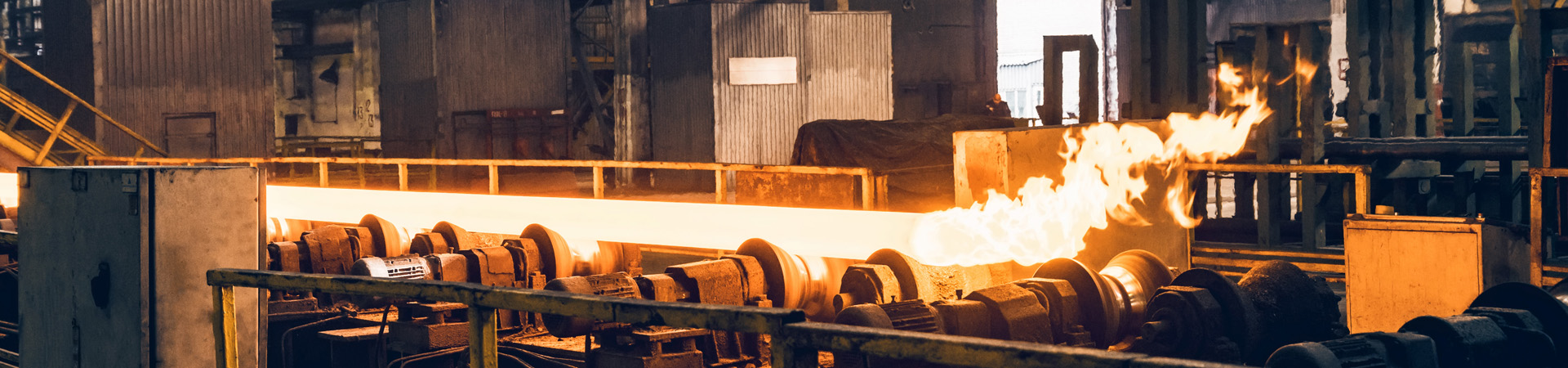
High-quality stainless steel and alloy steel scrap are procured from reliable and approved sources. The raw materials are carefully inspected and segregated to ensure consistency in chemistry and cleanliness. Strict control over the incoming material helps maintain the desired metallurgical properties and ensures the production of high-quality steel grades.
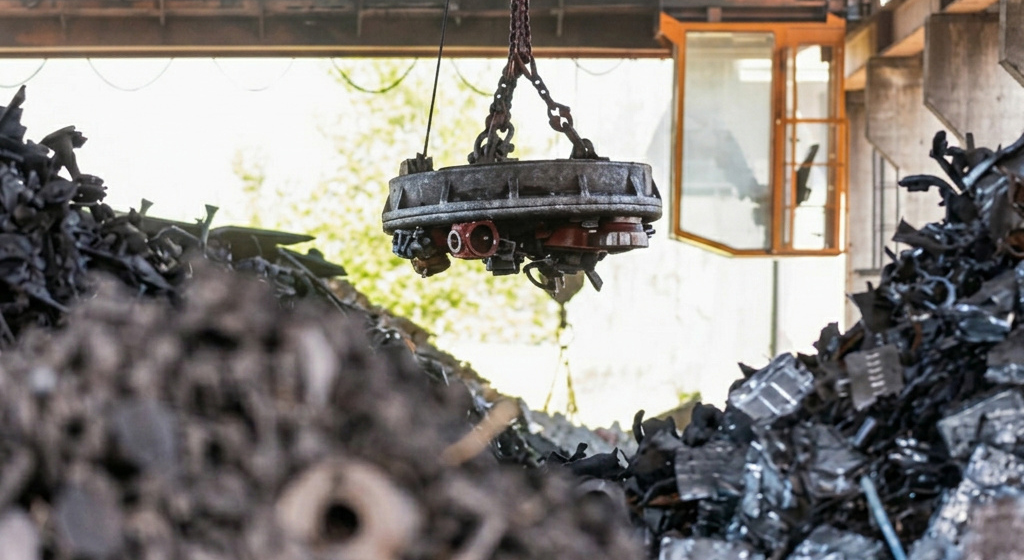
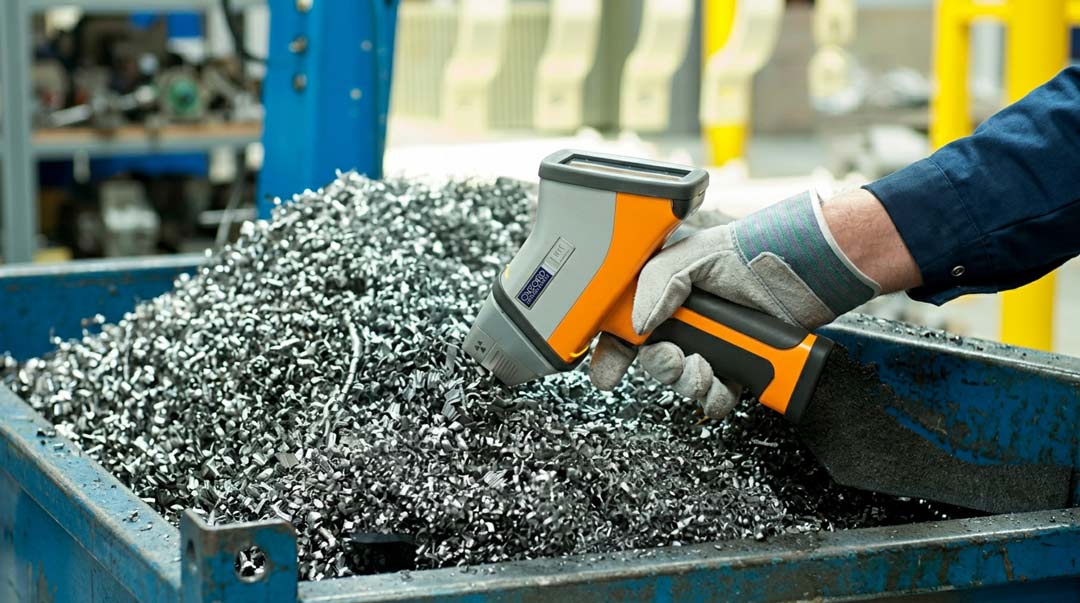
Each scrap material is analyzed using handheld spectrometers to verify its chemical composition before charging into the furnace. This process helps identify alloying elements accurately and ensures that only suitable raw materials are used for the intended steel grade. Proper sorting minimizes contamination risks and improves consistency from heat to heat.
The selected raw materials are melted in the induction furnace using electromagnetic induction technology. The furnace provides controlled and efficient melting with uniform heat distribution, allowing precise temperature control and proper alloy homogenization. This stage forms the foundation for producing clean and consistent molten steel.
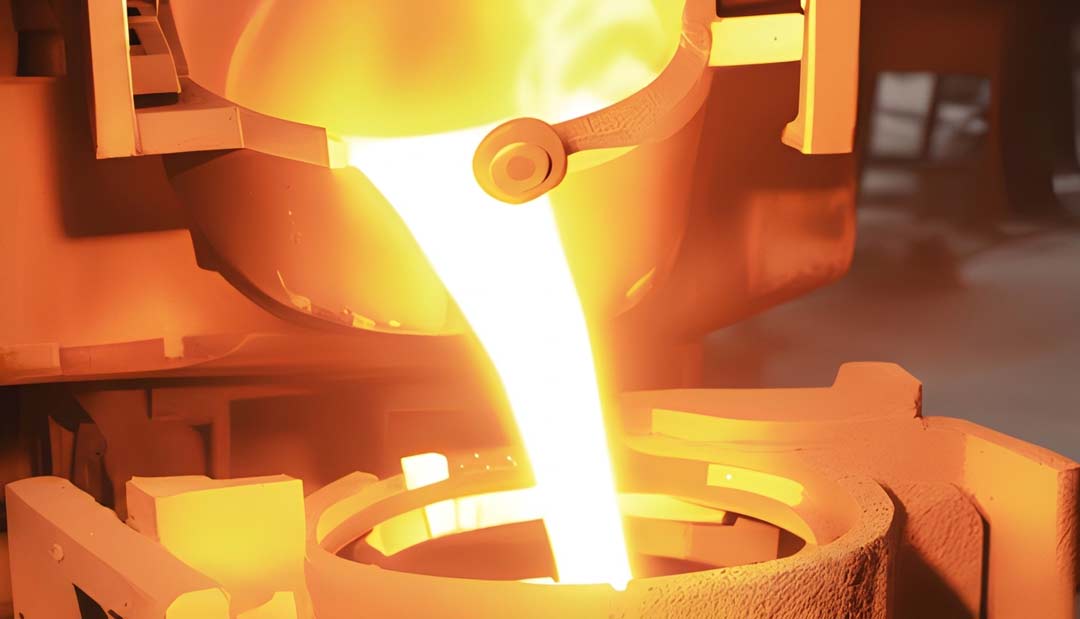
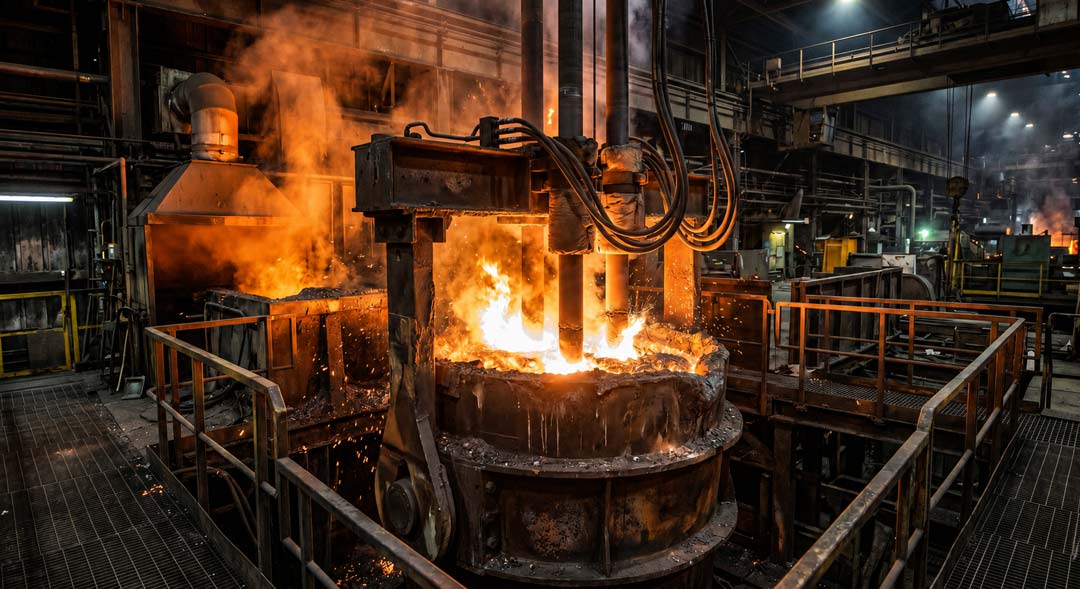
After melting, the molten steel is transferred to the Ladle Refining Furnace for secondary refining. In this stage, the chemistry and temperature of the steel are fine-tuned to achieve the required metallurgical specifications. The refining process helps improve steel cleanliness, reduce impurities, and enhance overall quality and consistency.
The refined molten steel is poured into specially designed molds through a controlled casting process to produce steel ingots. The casting process is carefully monitored to ensure proper solidification and minimize internal defects. These ingots serve as the primary raw material for the subsequent forging operations.
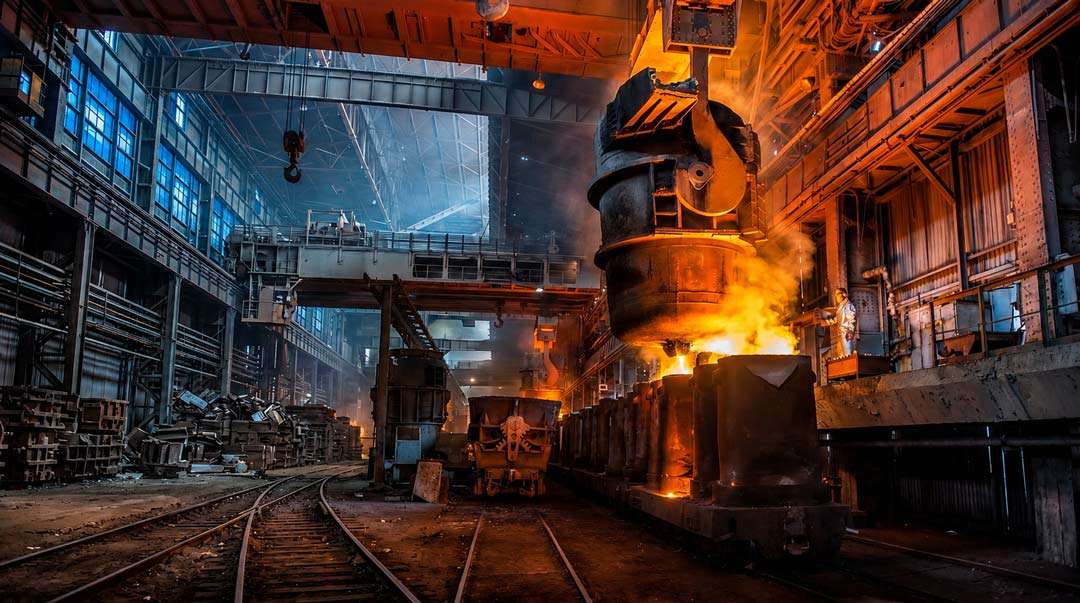
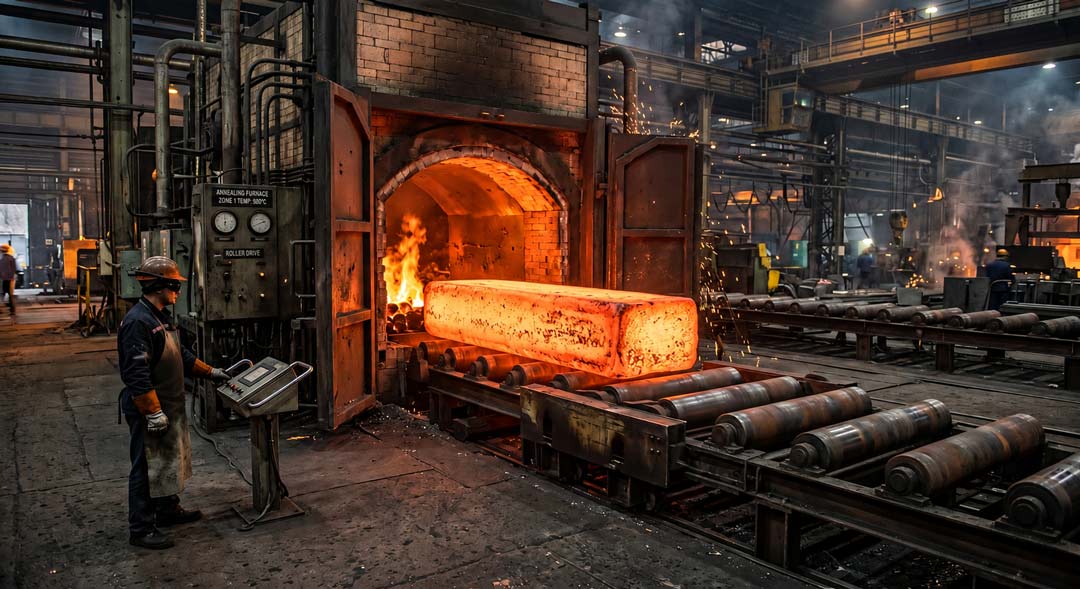
After casting, the hot ingots undergo annealing to relieve internal stresses and improve the metallurgical structure of the material. Controlled heating and cooling cycles help reduce hardness variations and prepare the ingots for further processing. This process also improves machinability and forging performance.
The annealed ingots are subjected to detailed quality inspections to verify dimensional accuracy, surface condition, and internal quality. Various inspection methods are followed to ensure the material conforms to the required specifications before moving to the next stage of production.

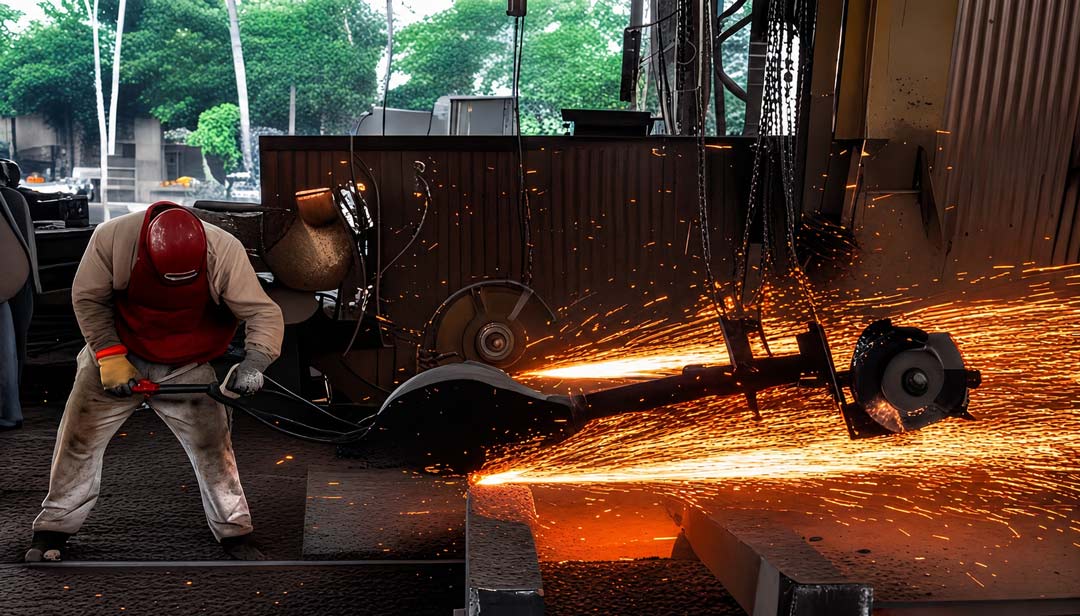
Surface grinding and conditioning are carried out to remove surface defects, scale, and irregularities from the ingots. This process ensures a cleaner and defect-free surface, which is essential for achieving high-quality forged products and maintaining process reliability during forging.
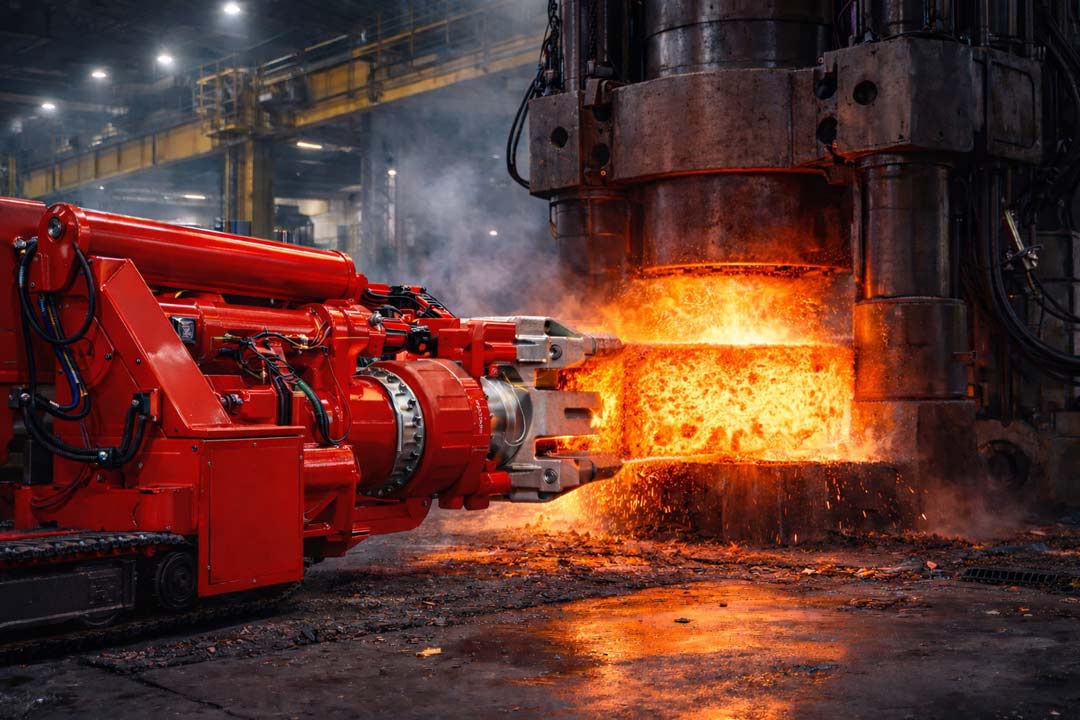
The conditioned ingots are processed through press forging operations to achieve the desired shape, size, and mechanical properties. Controlled forging helps refine the grain structure, improve strength, and enhance the overall integrity of the material. The forging process is performed under carefully monitored temperature and deformation conditions.
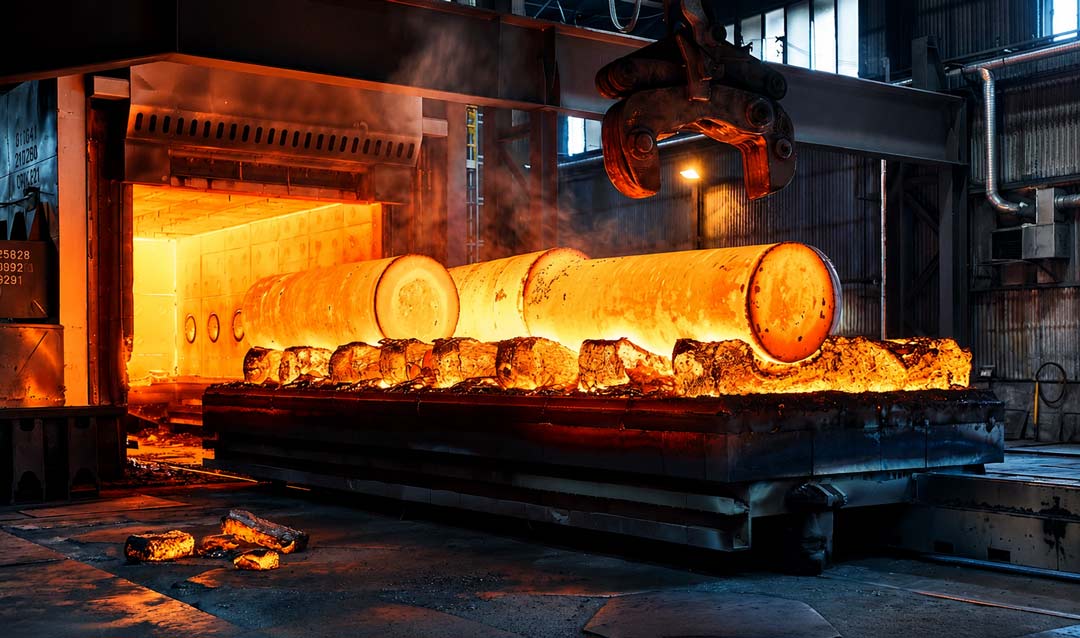
The forged materials undergo heat treatment processes such as annealing, hardening, and tempering based on the required application and grade specifications. These heat treatment processes help achieve the desired hardness, toughness, strength, and microstructural properties necessary for critical industrial applications.
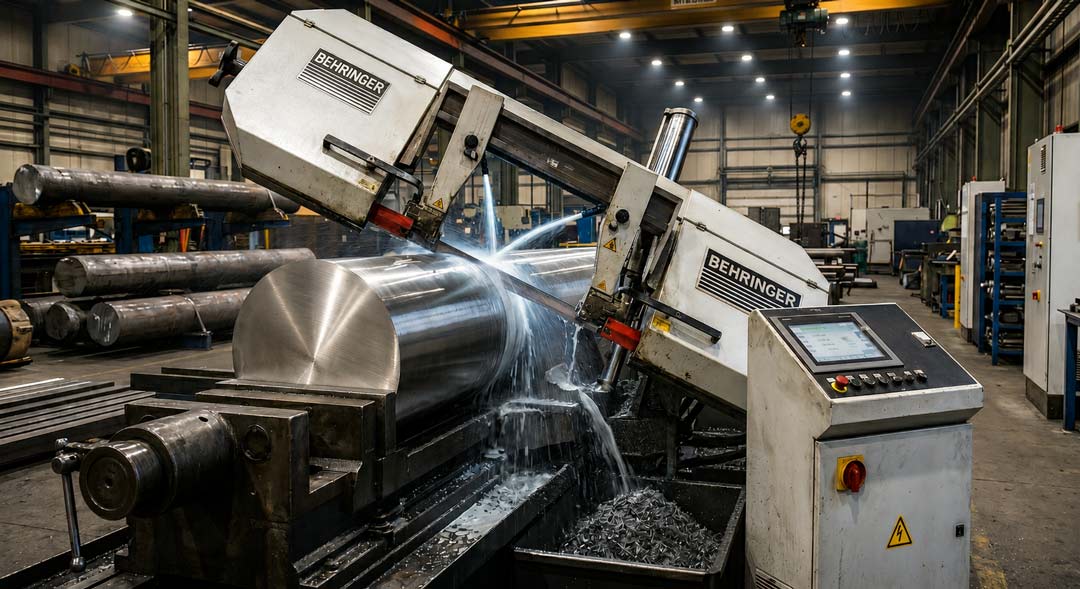
After heat treatment, the material is dressed and cut according to customer specifications and dimensional requirements. Surface finishing and edge preparation are carried out to ensure the final product meets quality and machining standards.
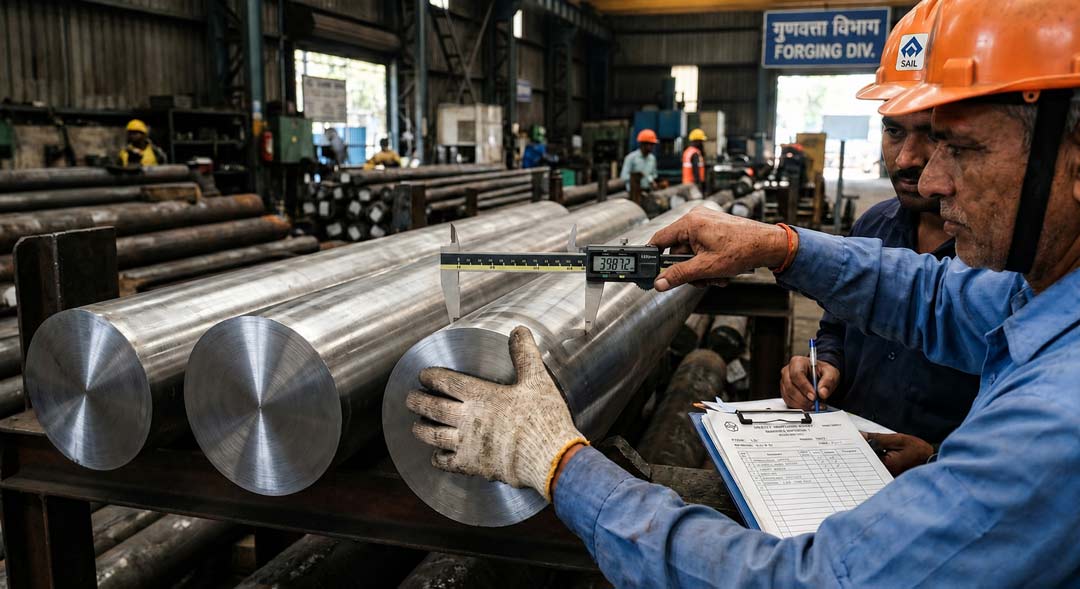
The finished products undergo final physical inspection to verify dimensions, surface finish, straightness, and overall quality. Strict inspection procedures ensure that only conforming products are approved for dispatch.
Once all quality checks and inspections are completed, the finished materials are packed and prepared for dispatch. Proper handling and logistics management ensure safe delivery of the products to customers and downstream manufacturing facilities.